The John Barber blog
Patchy beard: causes, remedies and how to grow it evenly
The John Barber blog · manuelecosimi ·
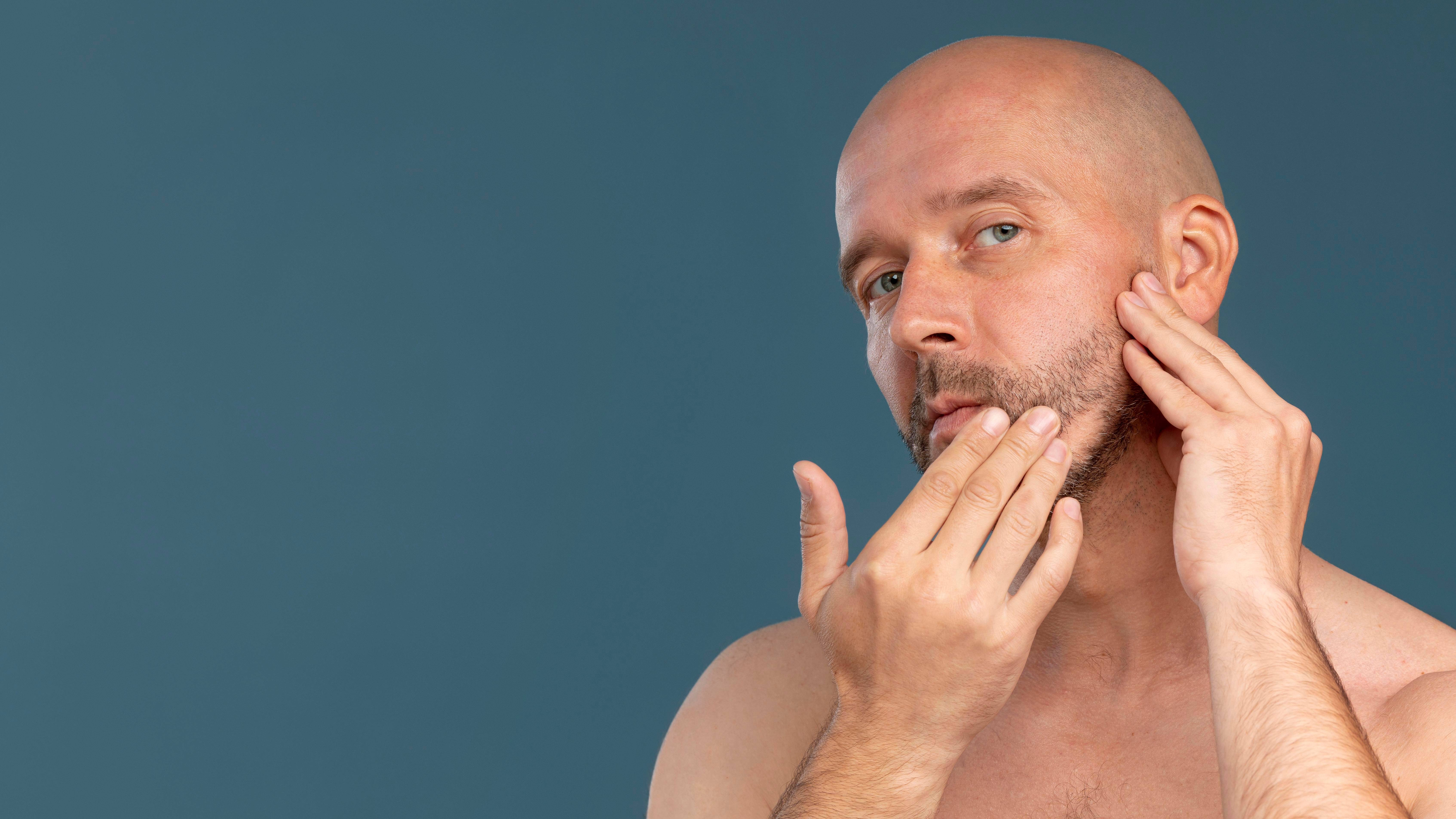
A patchy beard affects many men and often causes aesthetic discomfort, sometimes even psychological. A beard with sparse areas, or spots with no hair at all, can dent your confidence. The good news is that in most cases there are solutions that improve how your beard looks and encourage more even growth. In this article you will find out what a patchy beard is, the possible causes and the most effective ways to deal with it.
What does it mean to have a patchy beard?
A patchy beard means noticing areas of the face where hair grows thinly or not at all, creating a “spotty” effect. It varies from person to person: some have small empty spots a few millimetres wide, others have larger areas where the beard is completely absent.
- How common it is: a patchy beard is not rare and can appear at any age. Sometimes it is mild and temporary; other times the uneven growth is persistent and more obvious.
- Uneven growth vs. beard alopecia: it is important to tell simple uneven growth apart from alopecia areata of the beard, a more complex autoimmune condition that may need a medical specialist.

What causes a patchy beard?
Genetics
Genetics often plays a key role in facial hair growth. If other people in your family have an uneven or patchy beard, you may well have inherited it. You cannot change your DNA, but you can still adopt strategies that improve the overall look.
Alopecia areata
Alopecia areata is an autoimmune condition that can affect the scalp, the beard and other areas of the body. When it affects the face, it shows up as clearly defined hairless patches. If you have sharply outlined bald areas, a dermatologist can confirm the diagnosis and suggest targeted treatments (for example cortisone injections or other specific therapies).
Stress and psychological factors
Stress is often underestimated, but it can strongly affect hair growth. High cortisol levels in the blood can reduce the supply of nutrients to the hair follicles, slowing or stopping their development. A hectic, stressful life can therefore encourage patches in the beard.
Diet and general health
A diet lacking in protein, vitamins (especially A, C, D, E) and minerals (zinc, iron) can weaken hair. Poor general health (thyroid problems or hormonal disorders, for example) can also get in the way of even growth.
Hygiene and skin care
Neglected skin that is prone to irritation or impurities can slow beard growth. Cleansing and moisturising your face properly helps keep the follicles in good condition and supports new hair.
FOR YOUR BEARD, TREAT YOURSELF TO A LUXURY TREATMENT
What can you do about a patchy beard?
Specific products
There are oils (such as castor oil), balms and stimulating serums made to strengthen beard hair and hydrate the skin underneath. Some contain natural ingredients that support microcirculation (for instance mint or small amounts of chilli) and nutrients for the follicles.
Grooming techniques
Combing and shaping the beard properly helps hide the emptier areas visually. For example, beards faded at the sides and longer in the centre can mask sparse areas near the cheeks.
Food supplements
Some vitamins and minerals, such as biotin, vitamin D and zinc, can support the health of your beard. Before starting a course of supplements, it is best to talk to a doctor or nutritionist for a personal assessment.
Dermatological treatments
With alopecia areata or more complex situations, a dermatologist can propose specific treatments:
- PRP (Platelet-Rich Plasma): injections of your own blood plasma, rich in platelets and growth factors.
- Minoxidil: a topical medicine that stimulates hair growth (also used against hair loss).
- Microneedling: techniques that use very small needles to encourage cell regeneration and follicle growth.
Natural remedies
Among the most traditional remedies are massages with essential oils (rosemary or tea tree, for example) that improve blood circulation. Some people use herbal infusions or compresses, although their effectiveness is often backed by folk experience rather than scientific studies.
How can you grow a more even beard?
A daily care routine
To encourage an even beard, pay attention to cleansing and moisturising the skin. Using a gentle cleanser, applying a beard balm and massaging the area regularly can noticeably improve hair quality.
Beard styles that mask patches
Faded beards, goatees, anchor beards or Van Dyke: there are many styles that play to the strengths of your beard and minimise empty areas. An experienced barber can recommend the ideal cut to hide any flaws.
Exercise and stress reduction
Physical activity improves blood circulation and helps lower stress. A healthy lifestyle, with time to relax and good-quality sleep, supports regeneration and can have a positive effect on beard growth.
A patchy beard is not necessarily an obstacle to a groomed, attractive style. From specific products to grooming techniques, professional treatments or natural remedies, there are plenty of ways to improve how your beard looks. What matters is knowing the causes and acting in a targeted way, always keeping an eye on your health and consulting an expert when needed. And remember: confidence is the key to wearing any kind of beard with pride, even the most irregular one.
Visiting Milan? John Barber has three barbershops in the city centre, open every day including Sunday. Our barbers will happily look at your beard in person and suggest a shape that works for you: book your seat.
Frequently asked questions
Why does my beard grow unevenly?
The causes can be genetic, linked to stress or diet, or even to certain conditions (such as alopecia areata).
Do natural remedies really work?
Some can help improve circulation (for example massage with essential oils), but how well they work varies from person to person.
How long does it take to see improvement?
It depends on the causes and on the remedies you choose. It may take weeks or months of consistency before you notice a real change.
When should I see a specialist?
See a dermatologist or trichologist when the patches are very obvious, increase quickly in number, or you notice signs of infection or unusual flaking. A specialist can assess the health of your skin and follicles, rule out more serious conditions and recommend the right treatments.