The John Barber blog
How to explain your haircut to the barber: the complete guide to getting the perfect look
The John Barber blog · manuelecosimi ·
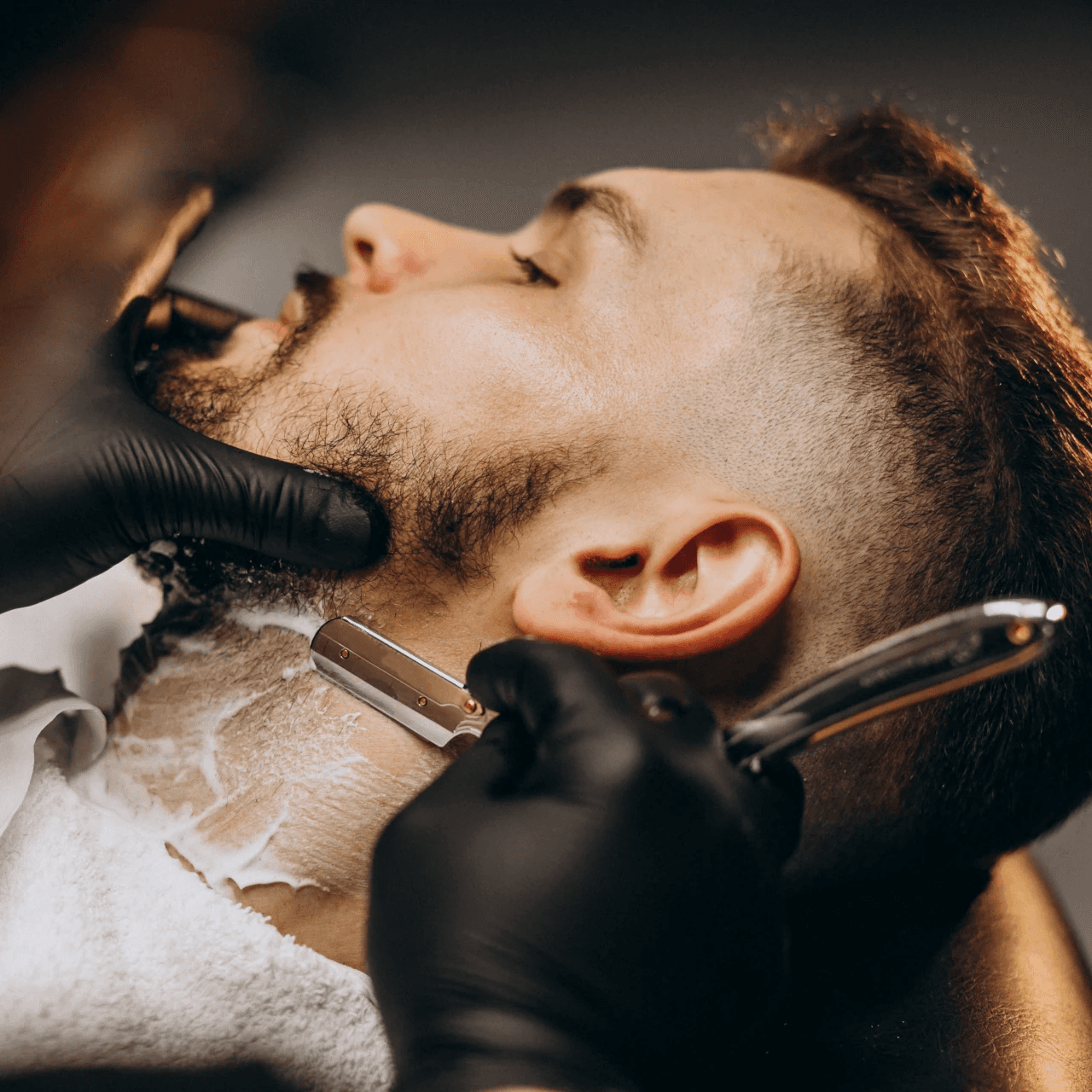
You know that uncertain feeling when you walk into the barbershop and think: “Will I be able to explain properly what I want?” It has happened to everyone, at least once, to leave the shop with a cut different from the one they imagined. Maybe it isn’t a disaster, but it isn’t exactly what you hoped for. What is the most common cause of this mishap? Communication.
Often the problem is not the barber’s skill or a wrong choice of cut, but unclear communication about what you really want. To avoid these misunderstandings and reach a result that makes you smile when you look in the mirror, it is essential to “speak the same language” as your barber.
In this complete, conversational guide you will discover how to explain to the barber the cut you want, which technical terms to learn, how to prepare before the appointment and how to keep a constructive dialogue throughout the process. Take a moment to relax and dive into these tips: the next time you sit in the chair, you will be ready to finally get the look you have in mind.
The question is: how do you speak the same language as the barber?
Which terms do you need to know?

One of the things that limits communication most is not using the technical terms barbers use every day. Knowing at least the basic concepts helps you explain the cut to your barber more precisely. Let’s look at some fundamental terms together.
Taper
The term “taper” means a gradual blending of the hair, going from a longer length on top to a shorter one as you move down towards the temples and nape. It is a classic choice if you want a neat look without too sharp contrasts. A taper can be high, mid or low: this refers to the point where the blend becomes visible.
Luxury Combo: Men’s Haircut + Italian Beard Shave →
Fade
Similar to the taper, but often with a stronger contrast, the “fade” can be “low”, “mid” or “high”. In a low fade, the blend starts lower (towards the nape), while in a high fade it rises further up the sides, creating a more striking effect between the top and the shaved or very short sides. The fade is much appreciated by those looking for a modern, defined look.
Texture
When we talk about “texture”, we mean how the hair is worked to create movement or definition. If you have thick or curly hair, adding texture can help avoid the “helmet” effect and give a lighter look. Conversely, if your hair is fine, you can add body with targeted cutting and thinning.
Knowing these words lets you explain yourself better and avoid vague phrases like “I’d like a short cut on the sides, but not shaved”. A precise example could be: “I’d like a mid fade on the sides and some texture on top, so the hair isn’t all uniform”.
How do you prepare before the appointment?
A good cut doesn’t start in the barber’s chair, but at home, by preparing and clarifying your ideas. Here are a few tips for arriving at the shop with the right attitude.
Do your research and pick styles you like
The internet is a goldmine of suggestions: social media, fashion sites, online magazines. Find people, influencers or celebrities with a cut similar to the one you would like. Bear in mind, though, that face shape, hair texture and even the beard can change the final effect.
For example, if your hair is straight and fine, looking at cuts on curly or thick hair could mislead you. Look instead for inspiration from someone with characteristics closer to yours.
Bring photos and references
Once you have found a couple of interesting looks, save the images on your smartphone or print them. Words alone are often not enough to explain the cut you have in mind, while a photo can clarify a lot. Having several images also helps you show the cut from more angles (front, back, profile).
Consider your lifestyle
If you have little time in the morning, a cut that needs a hairdryer, gel and wax may be impractical. Conversely, if you like to spend a few minutes every day on your hair, you could opt for something more elaborate. Tell your barber: it is an important detail that often makes the difference between a perfect look and an unmanageable one.
What should you say to the barber during the appointment?
Now we get to the heart of the matter. You are sitting in the chair, the cape is on, the mirror is staring at you. How do you make sure your barber understands exactly what you want?
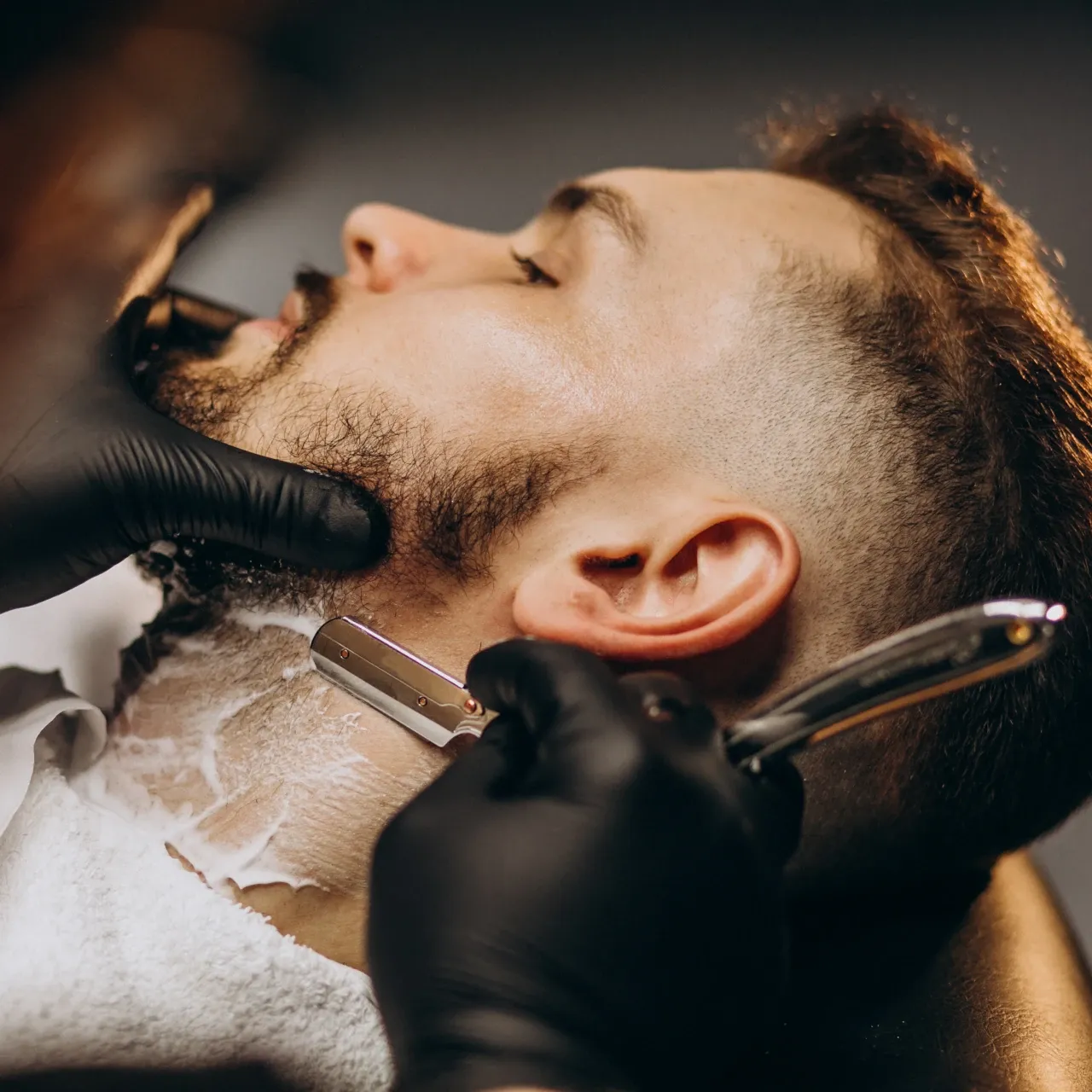
Now that you know the terms “fade”, “taper” and “texture”, put them into practice. Don’t be afraid of making mistakes: your barber will appreciate the effort and, if necessary, will correct you or recommend the version best suited to your hair type.
Show photos as a reference
Take out the images you prepared. Show them to the barber and explain what you like about those cuts: “I like the side blend in this photo, but I’d prefer a less pronounced quiff on top”. If you have several photos, highlight the details of each that you want to replicate. Don’t forget to show the beard style too, if you want a complete service.
How do you use images effectively?
Images are a real ace up your sleeve. You know the saying “a picture is worth a thousand words”? In the barbershop, it is absolutely true.
- Choose consistent photos: If you have thick, wavy hair, don’t show a cut on straight, thin hair as an example, and vice versa. That way the final result will be closer to what you see in the photo.
- Compare different angles: If possible, show images that illustrate the front, side and back of the cut. This helps the barber better understand the blend on the nape, the sideburn line and how to handle volume on top.
- Explain what you like in each photo: Maybe in one photo you like the blend, in another the way the fringe is styled, in another still the beard. Mixing these elements can create a personalised look that reflects your taste and lifestyle.
Why ask for advice and recommendations?
Always remember that a good barber doesn’t just passively carry out your requests, but can give you valuable advice. Asking for their opinion doesn’t mean giving up your ideas, but using their experience to get an optimal result.
Listen to the expert’s opinion
Maybe you saw a fantastic cut, but your face shape or hair texture may not suit that style at its best. A professional will tell you whether it is better to adapt the blend, raise or lower the transition point, or perhaps keep a little more volume on top.
Be honest about the time you want to spend on styling
If you know you have only 5 minutes to get ready in the morning, say so. A very structured cut may need more maintenance and specific products. The barber can suggest something more practical and quicker to style that still keeps a certain look.
Talk about the beard too (if you have one)
If, besides your hair, you want a suggestion on how to manage your beard, say so clearly. For example, you could ask to match the beard length to the blend of the hair, or to define the outline of the cheeks and neck more sharply. Many barbers also offer advice on products to soften and keep the beard in order.
Haircut and Italian beard shave combo →
With these tips, “how to explain the cut to the barber” will no longer be a mystery. It will become a pleasant moment of exchange and creativity. Next time, walk into the shop with the confidence of knowing exactly what to ask for, how to ask for it and, above all, with the willingness to trust the skill of someone who works with scissors and clippers every day.
Your perfect cut is within reach… or rather, within words!
Visiting Milan? John Barber has three barbershops in the city centre, open every day including Sunday: choose your shop and book.
Frequently asked questions
What is the difference between a taper and a fade?
A taper is a gradual blend from longer hair on top to shorter hair towards the temples and nape. A fade is similar but usually more marked, and can be low, mid or high depending on where the blend starts.
Should I bring photos to the barber?
Yes. A photo clarifies what words cannot. Choose pictures of people with hair similar to yours, show front, side and back if possible, and explain what you like in each.
What should I tell the barber besides the cut I want?
How much time you have for styling in the morning, which products you use and whether you want advice on the beard, for example matching its length to the fade.